Wholesale Swimwear and Swimsuits
Wholesale Swimsuit with Custom Branding. Flexible MOQs from 1pc. Talk to us.

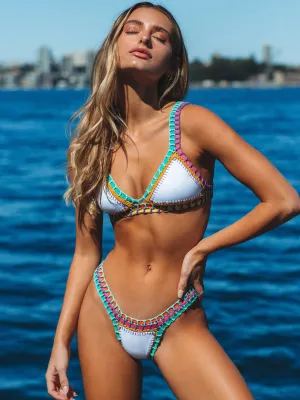
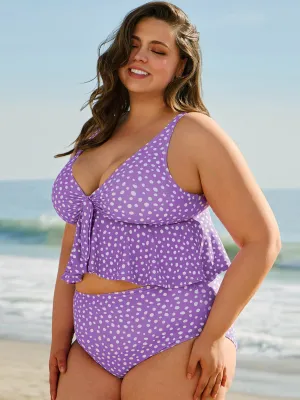
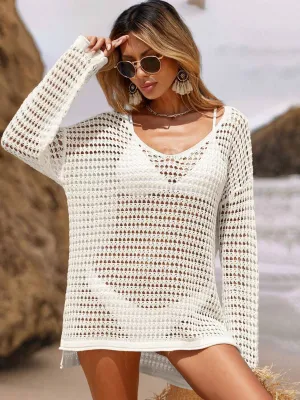
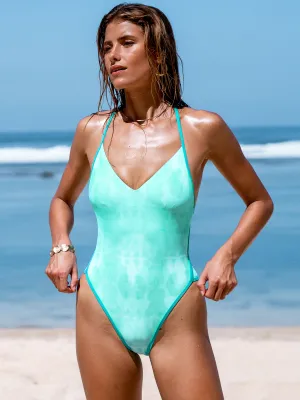
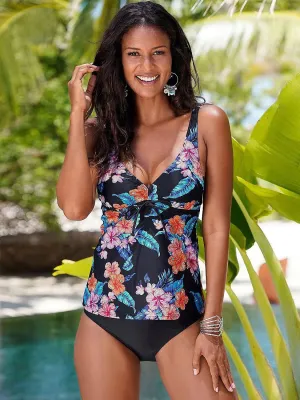




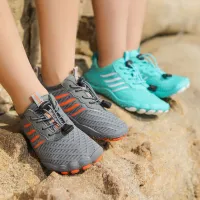
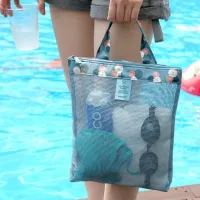





Wholesale Bright Swimwear


Wholesale Leopard Swimwear


Wholesale Swimwear Guides
How Much Should Wholesale Swimwear Cost to Secure a 50% Margin?
How to Build Your Swimwear Brand & Stop Competing on Price?
How to Find a Reliable Swimwear Sourcing Partner: What to Look for Beyond Price?
Frequently asked questions
What types of wholesale swimwear are most popular for retailers?
The most popular wholesale swimwear categories typically include bikinis, one-piece swimsuits, tankinis, and plus size swimwear. Retailers often balance their inventory by combining trend-driven designs with classic, high-demand styles. Bulk swimsuits with adjustable fits, versatile color options, and durable fabrics tend to perform well across multiple customer segments. Seasonal collections such as beach cover-ups and resort swimwear also help increase product diversity. When sourcing wholesale swimwear, retailers usually prioritize suppliers that offer broad style selections, stable quality, and flexible ordering options to support changing market demand.
Do you provide private label or custom swimwear manufacturing services?
Yes, many wholesale swimwear suppliers support private label and custom swimwear manufacturing services. These services often include logo printing, custom packaging, fabric selection, and design modifications. Private label swimwear allows retailers and brands to create unique product lines and strengthen brand identity. Custom swimwear production is especially beneficial for boutiques, online stores, and emerging fashion brands looking to differentiate from competitors. Flexible minimum order quantities and development support can help businesses test new collections before scaling production.
What should buyers consider when choosing a wholesale swimwear supplier?
When selecting a wholesale swimwear supplier, buyers typically evaluate product quality consistency, supply chain reliability, customization capabilities, and order flexibility. Reliable swimwear suppliers usually offer transparent pricing structures, responsive communication, and stable production timelines. Buyers may also review fabric durability, stitching quality, and sizing accuracy before committing to bulk swimwear orders. Suppliers that provide sampling programs and long-term inventory support can help reduce sourcing risks and improve retail planning. Partnering with an experienced wholesale swimwear manufacturer can support business growth and product stability.
How can bulk swimwear purchasing improve profitability for retailers?
Bulk swimwear purchasing can improve profitability by reducing per-unit costs, ensuring consistent stock availability, and simplifying inventory management. Wholesale swimsuits purchased in bulk often come with tiered pricing advantages, allowing retailers to maintain competitive retail margins. Bulk ordering also helps retailers prepare for peak seasonal demand, such as summer or resort travel seasons. Working with stable wholesale swimwear suppliers can reduce restocking delays and maintain consistent product quality. Strategic bulk purchasing supports long-term sales stability and helps retailers optimize operational efficiency.
Are samples available before placing wholesale swimwear orders?
Many wholesale swimwear suppliers provide sample programs that allow buyers to evaluate fabric quality, craftsmanship, and sizing before placing bulk orders. Swimwear samples help retailers assess product comfort, elasticity, durability, and visual presentation. Testing samples can reduce procurement risks and improve product selection accuracy. Sample orders are particularly helpful for businesses launching new swimwear collections or testing new suppliers. After confirming product quality and fit, buyers can confidently proceed with bulk swimwear purchasing and long-term supplier partnerships.
What swimwear trends should wholesale buyers pay attention to?
Current wholesale swimwear trends often include textured fabrics, sustainable materials, bold color palettes, and inclusive sizing options such as plus size swimwear. Multi-functional swimwear designs, such as reversible bikinis or adjustable one-piece swimsuits, are gaining popularity among retailers. Custom swimwear collections and private label swimwear also continue to grow as brands seek differentiation in competitive markets. Wholesale buyers typically monitor seasonal fashion trends while maintaining core best-selling styles to balance innovation with stable sales performance.
APP DOWNLOAD


